


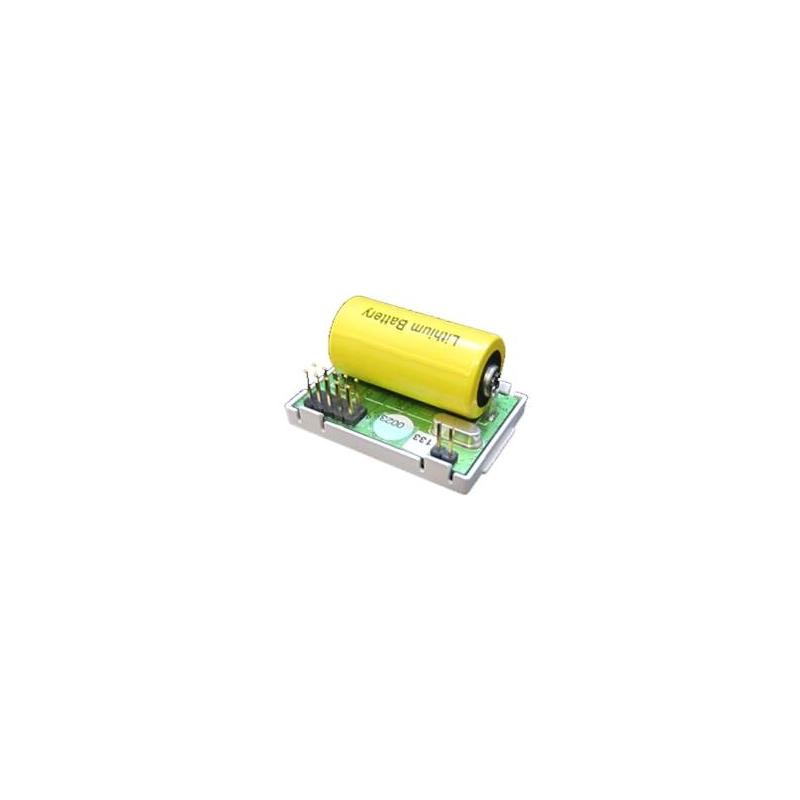
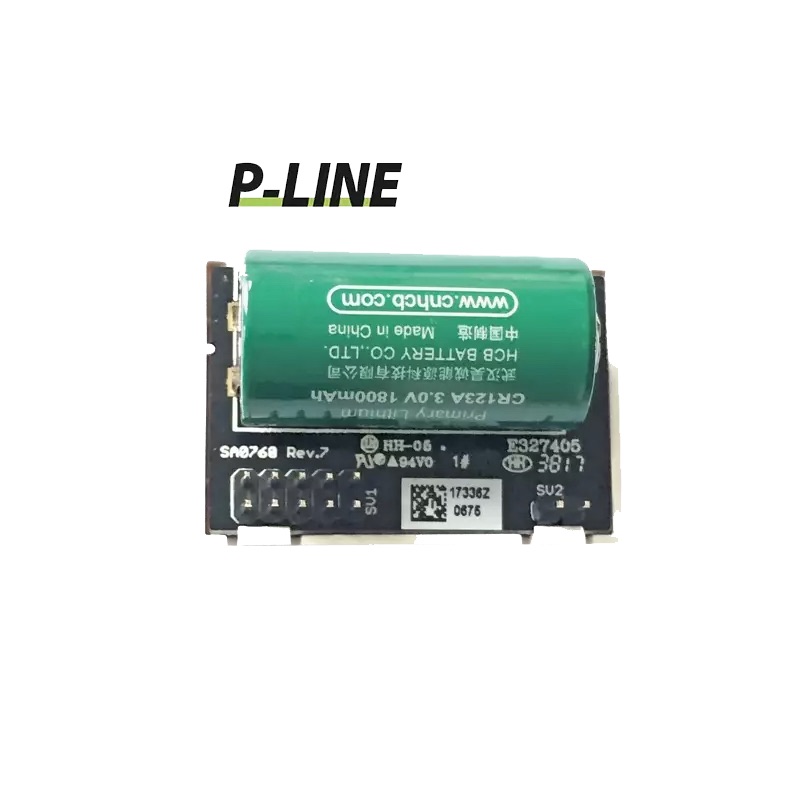


FireAngel Wireless Module W2 ST620
€44,99
incl. VAT
FireAngel Wireless Module W2 ST620, approved according to: DIN EN 14604 / DIN 14676
Lieferzeit: 3–4 business days
Only 1 left in stock
FireAngel Wireless Module W2 Wireless Smoke Detector
Upon its introduction, the FireAngel ST620 base model was revolutionary in the smoke detector market due to its Thermoptek process and its flat, unique design. Now with the new ST630 wireless smoke detector. What remains is maximum false alarm protection through the evaluation of multiple factors, as well as secure networking across several floors thanks to the integrated wireless module. If a FireAngel unit detects a fire, the alarm is forwarded to all wirelessly connected detectors. The permanently installed lithium battery also ensures reliable and long-lasting fire protection, plus a 10-year manufacturer’s warranty. Design was not overlooked either. The FireAngel addresses the wishes of many users for whom easy installation, comfortable handling, and a flat, inconspicuous appearance are important factors when choosing the right smoke detector.
Product Description for Wireless Module W2
- Separate, permanently integrated long-life battery
- Secure 868 MHz frequency band
- True repeater function for extended range
- Fast alarm forwarding within 4 seconds in buildings
- SMART SILENCE: clever mute function
- Unique coding / UNICODE in the wireless network
- Allows the formation of limited groups of up to 50 wireless smoke detectors
- 5-year warranty per group
Technical Data:
- Approved according to: DIN EN 14604 / DIN 14676
- Certification: VdS G212123 / Q
- Wired networking: NO
- Wireless networking: YES
- Wireless Module W2 included (with repeater)
- Wireless frequency: 868 MHz
- Connectable detectors: up to 50 detectors
- Mute function: YES
- Power supply: permanently integrated 10-year lithium battery
- Battery life: up to 10 years
- Dimensions: Ø 5.20 in x 1.61 in
- Operating temperature: – 4 °C to +38 °C
- Humidity: up to 93 %
- Weight: 7.51 oz
- Installation with adhesive magnet
- PAD possible: YES
- Manufacturer’s warranty device: 5 years
Scope of Delivery:
FireAngel Wireless Module W
Optical and Photoelectric Smoke Detectors
Optical Smoke Detector
- Optical chamber with labyrinth
- Labyrinth holder
- Housing
- Photodiode (receiver)
- Infrared LED
Photo for image above:
- Infrared LED
- Black scattered light chamber (open)
- Pink photodiode
Beam Paths:
The most common fire detectors are optical or photoelectric smoke detectors. They operate on the scattered light principle (Tyndall effect): Clear air reflects virtually no light. However, if smoke particles are present in the air and thus in the optical chamber (1) of the smoke detector, a test light beam emitted by an infrared LED (5) is scattered by the smoke particles. A portion of this scattered light then falls onto a light-sensitive sensor (photodiode, 4), which is not directly illuminated by the light beam, and the smoke detector activates. Without (smoke) particles in the air, the test light beam cannot reach the photodiode. Illumination of the sensor by light reflected from the housing walls of the LED or by external stray light is prevented by the labyrinth made of black, non-reflective material. Optical smoke detectors are preferably used when predominantly cold smoke is expected at the outbreak of fire (smoldering fire).
A laser detector uses a very bright laser diode instead of a simple light-emitting diode (LED). This system detects even the smallest particle intrusions.


